


A Personal Take After Drinking Château Les Ormes de Pez
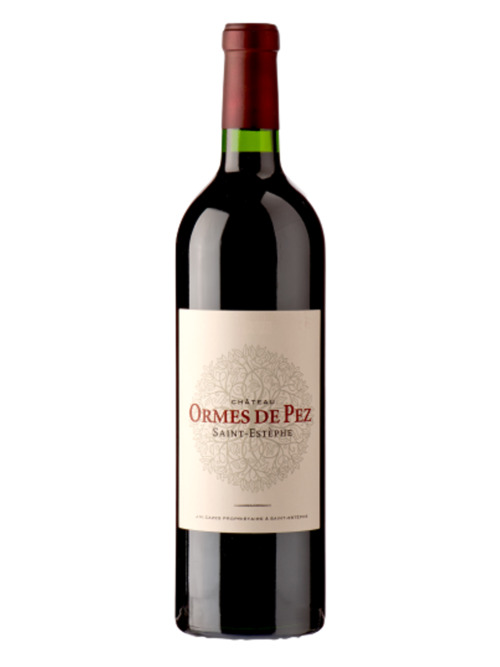

Last week, I opened a bottle of Château Les Ormes de Pez from Saint-Estèphe, not expecting to have any “big revelation.”
But halfway through the bottle, I found myself thinking:
Why does this Bordeaux blend from Bordeaux feel cheaper—and better value—than many Australian Bordeaux-style wines I’ve been buying lately?
And honestly, that question stuck with me.
First Impression: This Feels… Serious (But Not Heavy)
The first thing I noticed wasn’t power. It wasn’t sweetness. It wasn’t flashy oak.
It was balance.
There was blackcurrant, some cedar, a little earthy edge, and that classic graphite note that Bordeaux lovers talk about. But nothing felt exaggerated. Nothing felt pushed.
Compared to many Australian Cabernet blends I’ve had from:
-
Margaret River
-
Coonawarra
-
Barossa Valley
this wine felt more restrained. More composed. Less “look at me.”
And yet—it wasn’t thin. It wasn’t old-fashioned. It was just… confident.
Then I Looked at the Price
Here’s where it gets interesting.
A bottle of Château Les Ormes de Pez often sits in the same price bracket as mid-to-premium Australian Bordeaux-style blends.
But when I thought about what I was actually drinking:
-
Estate-grown fruit
-
A classified Saint-Estèphe terroir
-
Ownership linked to Château Lynch-Bages
-
Genuine cellaring potential
It suddenly felt like I was getting more history, more structure, and more aging ability for the same money.
That surprised me.
Australian Bordeaux-Style Wines: What Changed?
Don’t get me wrong—I love Australian Cabernet blends.
But over the years, I’ve noticed something:
-
Prices have crept up.
-
Alcohol levels are often higher.
-
Oak feels more obvious.
-
The style leans more toward plush fruit.
There’s nothing wrong with that. It’s delicious. It’s generous. It’s powerful.
But sometimes I don’t want powerful.
Sometimes I want something that unfolds slowly over dinner.
And lately, it feels like Bordeaux is delivering that at a sharper price-to-quality ratio.
Drinking Experience Over Two Hours
This is what really convinced me.
In the first 20 minutes, the wine was structured and a bit tight.
After 45 minutes, it opened up beautifully—more cassis, more subtle spice, smoother tannins.
By the second hour, it was silky, savoury, and layered. Not sweet. Not jammy. Just elegant.
That kind of evolution doesn’t always happen in more fruit-driven styles.
And when a wine keeps improving in the glass, it feels like better value automatically.
The Aging Question
Here’s another honest thought I had:
If I cellar this for 10 years, I genuinely believe it will improve.
With some Australian Bordeaux-style wines, I sometimes wonder whether they’re already showing their best at release.
There’s a confidence that comes with Bordeaux structure. It feels built to last.
When price is similar, that long-term potential matters.
So Why Is Bordeaux Sometimes Cheaper Now?
From a drinker’s perspective—not a market analyst—this is what it feels like:
-
Australian premium wine pricing has climbed.
-
Bordeaux has had softer global demand recently.
-
The exchange rate works in favour of Australian buyers.
-
Many Bordeaux estates still price based on long-term reputation, not hype.
The result?
A wine like Château Les Ormes de Pez quietly sits on the shelf, offering serious pedigree at a surprisingly accessible price.
Final Honest Thought
I didn’t open that bottle planning to compare regions.
But by the end of the night, I was convinced of one thing:
If you enjoy structured Cabernet blends and you’re paying $70–$100 for Australian Bordeaux-style wines, it might be time to revisit Bordeaux itself.
Because right now, wines like Château Les Ormes de Pez don’t just compete.
They feel like smart buying.
And sometimes, the best value in wine isn’t about being cheaper—it’s about getting more depth, more evolution, and more character for your dollar.
If you haven’t revisited Saint-Estèphe recently, this might be the bottle that changes your perspective.
https://winemore.com.au/collections/chateau-les-ormes-de-pez