


After many years of wine retail in Australia, we’ve noticed something interesting: for many local consumers, White Burgundy = Chablis.
And while Chablis is a fantastic introduction to Burgundy, it represents only one part of a much larger and more complex story.
If you truly want to understand white Burgundy — and why it remains the global benchmark for Chardonnay — you need to look beyond Chablis.


What Is White Burgundy?
White Burgundy is almost entirely made from Chardonnay, grown across different sub-regions of Burgundy in eastern France. What makes Burgundy special is not the grape — it’s the terroir. Each village expresses Chardonnay differently depending on soil, climate, and vineyard exposure.
The key white wine regions of Burgundy include:
-
Chablis
-
Côte de Beaune
-
Côte Chalonnaise
-
Mâconnais
Most Australians are familiar with Chablis — but the true pinnacle of white Burgundy lies further south.

Chablis: The Entry Point (With Exceptional Exceptions)
Chablis is located in the northernmost part of Burgundy. Its cool climate and Kimmeridgian limestone soils produce wines that are:
-
Lean
-
High in acidity
-
Mineral-driven
-
Often unoaked or lightly oaked
Chablis is typically more approachable in price compared to the great villages of the Côte de Beaune, which is why it has become the most recognized white Burgundy in export markets like Australia.
Of course, there are legendary producers such as Domaine François Raveneau that produce some of the most collectible white wines in the world.
However, at a regional level, Chablis generally sits in the mid-tier of Burgundy quality hierarchy. It delivers precision and freshness, but it does not always reach the depth, texture, and layered complexity found further south.
Where White Burgundy Reaches Its Peak: The Côte de Beaune Villages
If you want to experience white Burgundy at its highest expression, you need to explore three iconic villages:
-
Puligny-Montrachet
-
Chassagne-Montrachet
-
Meursault
Puligny-Montrachet
Known for precision, elegance, and incredible tension. These wines combine minerality with refined oak integration and remarkable ageing potential.
Chassagne-Montrachet
Typically slightly broader and more powerful than Puligny, offering richness balanced by structure and acidity.
Meursault
Famous for texture. Meursault wines are often more generous, with nutty complexity, creamy mid-palate weight, and long finishes.
These villages are home to some of the greatest white wines on earth. Yes, they are more expensive — but the overall consistency, depth, and prestige level are noticeably higher.
If you're ready to explore beyond Chablis, you can browse our curated White Burgundy selection here:
👉 Shop White Burgundy Collection:
https://winemore.com.au/collections/burgundy-white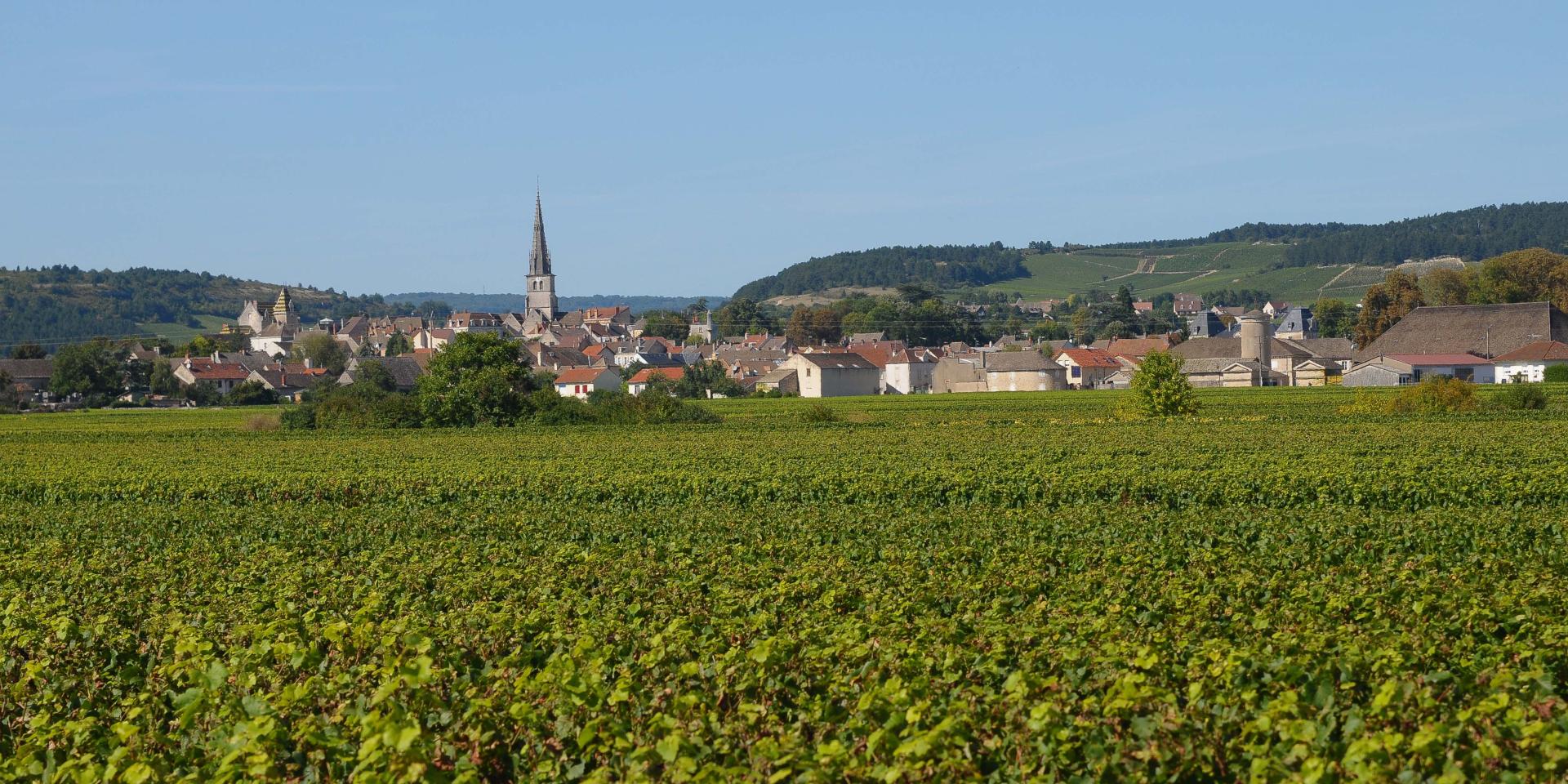
Best Value Alternative: Mercurey Blanc (Côte Chalonnaise)

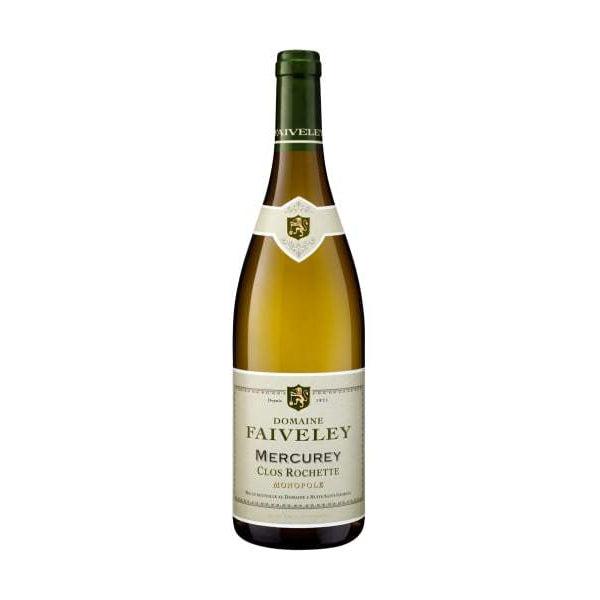
If your focus is value for money, the southern part of Burgundy offers excellent opportunities — particularly in Mercurey, located in the Côte Chalonnaise.
Mercurey is often associated with red wines, but its white wines can offer:
-
Impressive balance
-
Good concentration
-
Classic Burgundy character
-
Much more accessible pricing
For customers seeking serious Burgundy character without Côte de Beaune pricing, this is a smart buying zone.
A great example currently available is:
👉 2022 Joseph Faiveley Mercurey Clos Rochette Blanc
https://winemore.com.au/products/2022-joseph-faiveley-mercurey-clos-rochette-blanc
This wine delivers structure, freshness, and elegance — a fantastic introduction to Burgundy beyond Chablis at a more approachable price point.
Why Understanding Burgundy Matters
White Burgundy isn’t just a wine category — it’s a study in nuance.
-
Chablis offers purity and mineral drive.
-
Puligny, Chassagne, and Meursault showcase the pinnacle of Chardonnay expression.
-
Mercurey and the southern regions provide excellent value alternatives.
For Australian wine lovers used to bold, fruit-forward styles, Burgundy can feel subtle at first. But once you understand its structure and terroir expression, it becomes hard to replace.
If you're ready to explore Burgundy properly, not just Chablis, start here:
👉 https://winemore.com.au/collections/burgundy-white
Final Thought
Chablis is a great beginning — but it is not the whole story.
The real heart of white Burgundy lies in the villages of the Côte de Beaune, where Chardonnay reaches its most profound and age-worthy form.
And if value is your priority, Mercurey might just surprise you.
Welcome to Burgundy — beyond Chablis.